COMMERCIAL OUTDOOR FURNITURE
- Material
-
Why Your Restaurant Patio Furniture Needs to Be Built for the Outdoors
Every spring, someone tries to save money by dragging indoor chairs and tables onto the patio. By August, the powder coat is bubbling, the wood frames are splitting at the joints, and the vinyl seats have cracked from UV exposure. Replacing a patio's worth of furniture mid-season costs more than buying outdoor-rated pieces would have in the first place. A 20-seat patio that sits empty for two weeks during peak season can cost $8,000 - $15,000 in missed covers, depending on your market
The right patio furniture is built to handle rain, sun, wind, temperature swings, and the kind of daily abuse that comes from running an outdoor dining section. This guide covers frame materials, seating and table options, umbrellas, layout sizing, durability, cleaning, and ordering a full patio setup. For a deeper walkthrough, read our patio furniture buying guide.
Frame Materials: Aluminum, Steel, and Wicker
Aluminum Frames
Aluminum is the most popular frame material for commercial outdoor furniture because it won't rust, weighs 30 - 50 percent less than steel, and handles rain without protective coatings breaking down. That light weight matters when your staff rearranges the patio layout twice a day or stacks chairs at closing. Most commercial aluminum patio chairs weigh 6 - 9 lbs and stack 8 - 10 high, which saves storage space in restaurants that pull furniture inside during bad weather or off-season months. Powder-coated aluminum frames in black, bronze, and silver are the most common finishes. They resist fading under direct sunlight better than painted steel
Steel and Wrought Iron Frames
Powder-coated steel frames are heavier than aluminum frames, which is an advantage on rooftop patios or in windy locations where lightweight furniture shifts around. Steel needs a thicker coating, at least 2 mm, to resist rust in humid or coastal climates. Inspect the coating at floor contact points every season, because that's where chips start, and corrosion follows. Wrought iron is the heaviest commercial option and is well-suited to upscale patios, courtyards, and hotel pool decks where you don't want guests moving furniture out of position.
Synthetic Wicker and Resin
Synthetic wicker over an aluminum frame gives you the look of traditional wicker without the rot and mildew that come with natural rattan. High-density polyethylene wicker rated for UV exposure won't fade or crack for 5 - 8 years under commercial use. Resin chairs in commercial-grade polypropylene are the most weather-proof option: they don't absorb water, resist staining from sunscreen and food, and rinse clean with a hose.
Patio Seating, Tables, and Umbrellas
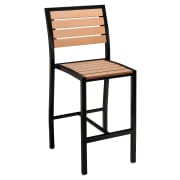
Patio bar stools at 28”- 30” pair with 40”- 42” outdoor bar tables. Use aluminum or resin frames for bar stools on patios, because guests lean and swivel on stools more than on dining chairs, and lighter frames handle that stress without the rust risk that steel carries outdoors. Patio tables need tops that won't warp from humidity or crack from UV exposure. Aluminum, synthetic stone, and phenolic resin tops handle outdoor conditions without the seasonal maintenance that wood requires. Pair tables with outdoor table bases in aluminum or powder-coated steel that match the chair frame finish. Commercial umbrellas with fiberglass ribs and Sunbrella fabric are the standard for restaurant patios. Fiberglass ribs flex in the wind instead of snapping, and Sunbrella fabric resists fading for 5 or more seasons. Size the umbrella canopy to cover the full table plus 12” past the table edge on all sides, so guests in every seat get shade.
Matching Patio Furniture to Your Restaurant Type
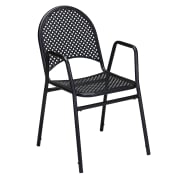
Sidewalk cafes and bistros need lightweight stacking chairs that staff can set up and break down daily. Rooftop bars do best with heavier steel or wrought-iron frames that won't blow over in the wind, paired with bar-height seating. Beachfront and poolside restaurants should stick to resin or synthetic wicker that handles salt air and chlorine splash. Hotel patios lean toward wicker or upscale aluminum that matches the property's aesthetic. Fast-casual spots with outdoor counters need easy-to-clean resin or powder-coated aluminum that handles high turnover. Breweries and taprooms with outdoor sections pair well with industrial-style metal chairs and communal restaurant tables at 6 - 8 ft long. Retro-themed restaurants with outdoor seating can extend their diner-booth look to the patio with chrome-framed chairs in matching vinyl colors.
Patio Layout, Spacing, and ADA Clearances
Standard patio dining chairs sit 17”- 18” high and pair with 29”- 30” tables. Allow 24” of table edge per guest and 36” between chair backs for server access. ADA requires at least one accessible path at 44” wide, plus accessible seating with 27” of knee clearance. If your patio runs along a sidewalk, local codes may require 5 ft pedestrian clearance between furniture and the curb. For rooftop patios, keep umbrella bases weighted to at least 50 lbs. A 20-seat patio typically needs 400 - 500 sq ft, including aisles. For more on spacing, read our seating capacity guide.
Weather Resistance and UV Ratings
Commercial outdoor furniture should be rated for year-round exposure in your climate zone. Aluminum and resin frames handle rain, snow, and salt air without maintenance. Steel frames need annual touch-ups at chip points to prevent rust. UV ratings matter for fabrics and synthetic wicker: look for materials rated to 1,000 or more hours of UV exposure before fading. Powder-coat thickness on any metal frame should be at least 2 mm for outdoor use. For cushions, solution-dyed acrylic fabrics like Sunbrella hold their color for 5 or more years in direct sunlight, while cheaper polyester fades within 1 - 2 seasons.
Cleaning Outdoor Furniture by Material
Aluminum frames rinse clean with water and mild soap. Don't use abrasive pads on powder-coated surfaces, because they scratch through the finish and expose bare metal. Steel frames should be wiped dry after rain to prevent water from sitting in joints. Synthetic wicker can be hosed down and scrubbed with a soft brush to remove pollen and food residue. Resin chairs just need a hose and sanitizer. For cushion fabrics, blot spills immediately and clean monthly with a fabric-safe cleaner. Remove mildew from Sunbrella with a diluted bleach solution (one cap per gallon), then rinse. At season's end, deep-clean all frames, replace worn floor glides, and tighten loose hardware before storing for winter.
Ordering a Full Patio Setup
Stock patio chairs and tables ship within 5 - 10 business days from our US warehouse. Custom colors or non-standard sizes take 4 - 8 weeks. Order chairs, tables, bases, and umbrellas together to consolidate freight and make sure finishes match. Volume discounts start at 10 units. Plan for 10 – 15% more chairs than your seated count, because outdoor furniture wears faster than indoor, and spares avoid mismatched mid-season replacements. For custom restaurant furniture beyond standard patio options, send your specs, and we'll return a quote with lead time.
Connecting Your Patio to Your Indoor Dining Room
If your indoor space uses black metal restaurant chairs, carry the same frame finish to your patio chairs so the design reads as a single space. Match your patio table tops to your indoor restaurant tables in material tone, even if the outdoor tops use a different material for weather resistance. Coordinate table bases across both spaces: black powder-coated bases indoors should match black outdoor bases on the patio. If your dining room runs restaurant booths along the walls, pick a patio chair color that complements the booth upholstery. Carry the bar coordination outside too: indoor bar stools and outdoor patio bar stools should share a frame finish family so the bar area reads as one section regardless of where guests sit.
Why Restaurant-Furniture.com for Patio Furniture
Every piece of outdoor furniture on this site is rated for daily commercial use in outdoor conditions. Frames, finishes, and fabrics are all tested for UV resistance, weather exposure, and the high-traffic abuse that restaurant patios endure from April through October. Call us at (866) 843-7380 or start a live chat if you need help sizing a patio layout or matching outdoor furniture to your indoor design.
Browse the full patio furniture collection, or shop by type: patio chairs, patio bar stools, patio tables, and commercial umbrellas. Pair your patio with outdoor table bases, and outfit the rest of your space with restaurant chairs, bar stools, tables, table bases, and booths.
What should I consider when buying outdoor restaurant furniture?
- Durability: Choose UV-resistant and weatherproof materials.
- Comfort: Look for ergonomically designed chairs with outdoor cushions.
- Design: Align the style with your brand’s theme and customer expectations.
- Space: Measure your area and ensure smooth guest and staff movement.
How do I maintain patio furniture?
- Metal: Wipe with nonabrasive cleaner; check for rust or loose screws.
- Wood: Oil or seal regularly; cover in extreme weather.
- Wicker: Use mild soap and water; let air dry.
- Plastic/Resin: Clean with detergent and rinse regularly.
How can I make sure the furniture fits my space?
- Measure your patio and plan furniture placement ahead of time.
- Choose the right scale of furniture to avoid overcrowding or empty space.
- Ensure easy access and pathways for both guests and staff.
Can patio furniture be customized?
Yes! Many of our items can be tailored with your choice of finishes, cushion fabrics, and sizes to match your brand’s look and feel. We offer a wide variety of options from industrial to rustic, modern to classic.
What are the latest trends in outdoor restaurant furniture?
- Eco-friendly materials: Recycled plastics and FSC-certified wood.
- Minimalist design: Clean shapes in neutral palettes.
- Mixed textures: Combining metal with wood or wicker.
- Comfort-first features: Cushioned seating with ergonomic design.
How do different weather conditions affect patio furniture?
- UV exposure: Can cause fading—choose UV-treated finishes.
- Moisture: Use waterproof or quick-dry materials.
- Wind: Select heavy or anchored furniture for stability.
- Coastal climates: Favor stainless steel or rust-proof resins.
Are there layout or installation considerations?
- Plan for traffic flow and spacing between tables.
- Evaluate fixed vs. flexible seating options depending on your needs.
- Align furniture with features like shade structures or heaters.
How does patio furniture influence customer experience?
- Comfort: Encourages longer visits and return customers.
- Ambiance: Helps reinforce your brand and sets the mood.
- Functionality: Flexible layouts adapt to events and peak times.
What’s the difference between Phenolic HPL and standard laminate tables?
Phenolic HPL tables are more durable, heat-resistant, and long-lasting than standard laminate tables. They’re ideal for high-traffic or outdoor use where wear and exposure are constant concerns. Standard laminates, though affordable, are more prone to damage and less suitable for commercial patio settings.